
How to Choose Energy Efficient Windows for Your New Home

Gone are the days when a homeowner’s interest in windows was limited to whether they could find stylish window treatments. Today, energy-conscious homeowners want to minimize the costs of heating and cooling their homes, and selecting the right windows is a crucial step. So how far should you go when choosing energy-efficient windows? The key is knowing what window upgrades will give you the biggest bang for your buck without delivering a blow to your bottom line.

There are four factors to consider when choosing energy efficient windows: frame, glass, design and installation.

The Right Frame of Mind

Most people know a wood frame is less prone to heat and cold transfer than an aluminum one, since metals conduct temperature much more easily than wood. But that doesn’t mean wood is always the best choice for a utility-bill-friendly window. There are a variety of materials available for window frames, and each has positive and negative aspects. It’s up to you to decide what’s best for your style and your budget.

  • Vinyl: Just because vinyl is a less expensive material doesn’t mean it has to be “cheap.” A well-constructed, properly installed vinyl window can be a practical choice: budget-wise while still offering excellent energy efficiency measures through insulated glass and tight construction that reduces air leakage. Vinyl windows can be limited in color choices, however, and the fact remains that some people simply don’t like the look of vinyl on their home.
  • Wood: Wood windows offer the best insulative value, though they also require more upkeep than vinyl, wood-clad or aluminum frames. Because of the potential for rot, they may not be the best choice for extremely humid or rainy climates. A well-built wood window will stand the test of time, however: many original wood windows in older homes are still in good shape thanks to the high-quality cut and species of wood used, says Tamara Myers, president of Myers Constructs in Philadelphia.
  • Aluminum: While not the top-performing material in terms of heat transfer and loss, aluminum windows are practical in rainy, humid climates, and they meet stringent coastal building codes in hurricane-prone areas thanks to their strength, says Johna Elisco, vice-president of All-American Doors and Windows in Pompano Beach, Fla.
  • Wood-Clad: Wood-clad windows seemingly offer the best of both worlds: a low-maintenance exterior (usually vinyl or aluminum) encasing a temperature-transfer-resistant wood interior. But Jim DeLaPlaine, director of operations for Building Engineering-Consultants, Inc. of The Woodlands, Texas, cautions against these windows for wetter climates. Jim explains that clad windows can be prone to water intrusion, which can cause rotting, especially in the sills and jambs, where water tends to pool. He notes that proper installation of wood-clad windows should include use of waterproof rubber membranes around the cladding as well as a stand-alone flashing assembly called a sill pan. The sill pan drains any water that gets around the window sills and jambs, minimizing moisture intrusion (and resulting wood deterioration).

Read Part 2 here…

The Cost To Build A New Home

Have you been dreaming of building your dream home but thought you couldn’t afford it? Well, the cost to build a home depends upon the size of your home, the cost of the land it occupies, and also how many top-of-the-line features you choose.

  • In 2022, the average cost to build a new home was on average, $500,000-$665,000.
  • The average size of a new home in December 2022 was 2,661 sq. ft.
  • Do the math and you’ll find it costs $187-$250 per square foot to build a home in 2022.
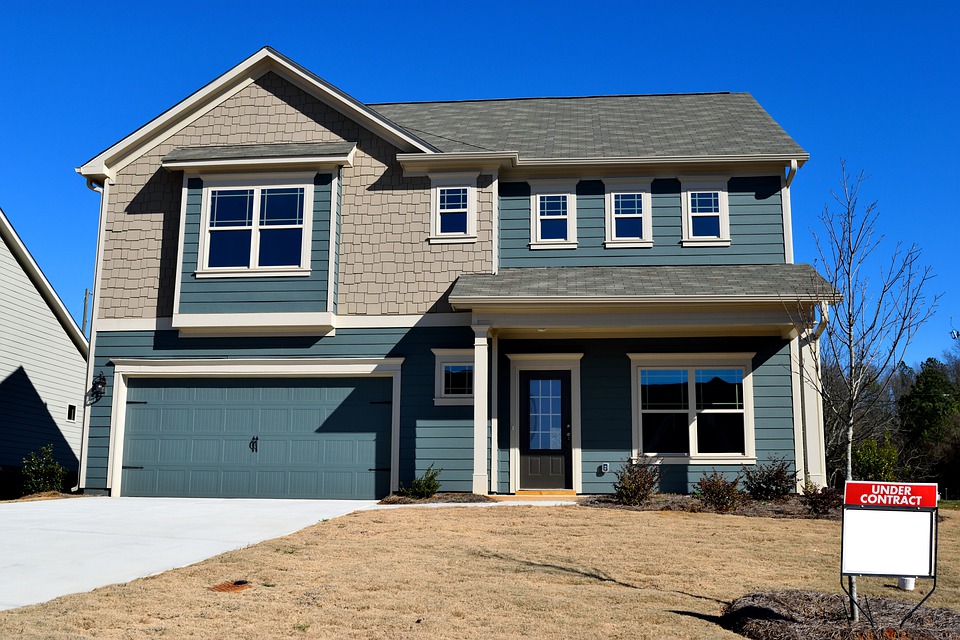
  • It will also vary greatly depending on the floorplan you choose. Generally speaking, two-story homes are less expensive to build than one-story homes, because they require a smaller foundation and roof. Additionally, the more details on the front elevation you choose or the more exterior corners your flood plan may have, the more material and labor are required, which can impact the overall cost. 

How to choose a color scheme

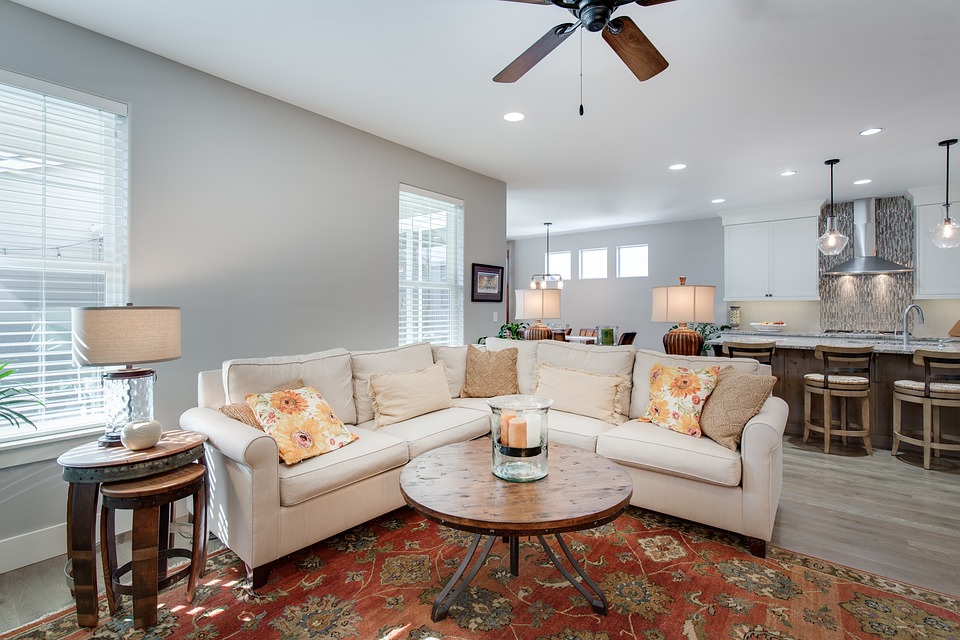
  1. Choose a Color Scheme From the Largest Pattern in the Space. If you’ve got patterned upholstery, a colorful rug or large piece of artwork, pluck colors you like from the pattern. …
  2. Decorate From Dark to Light, Vertically. …
  3. Use the Color Wheel. …
  4. Back to Black. …
  5. Go With Grays. …
  6. Contrast Warm and Cool. …
  7. Showcase Your Personal Style.

Choose Your Own Ceiling Height

Did you know that you will have the option of choosing your ceiling height for your custom home? Rather than going with the customary eight feet, you can choose nine or ten foot ceilings or even vaulted ceilings instead.

Relaxation…

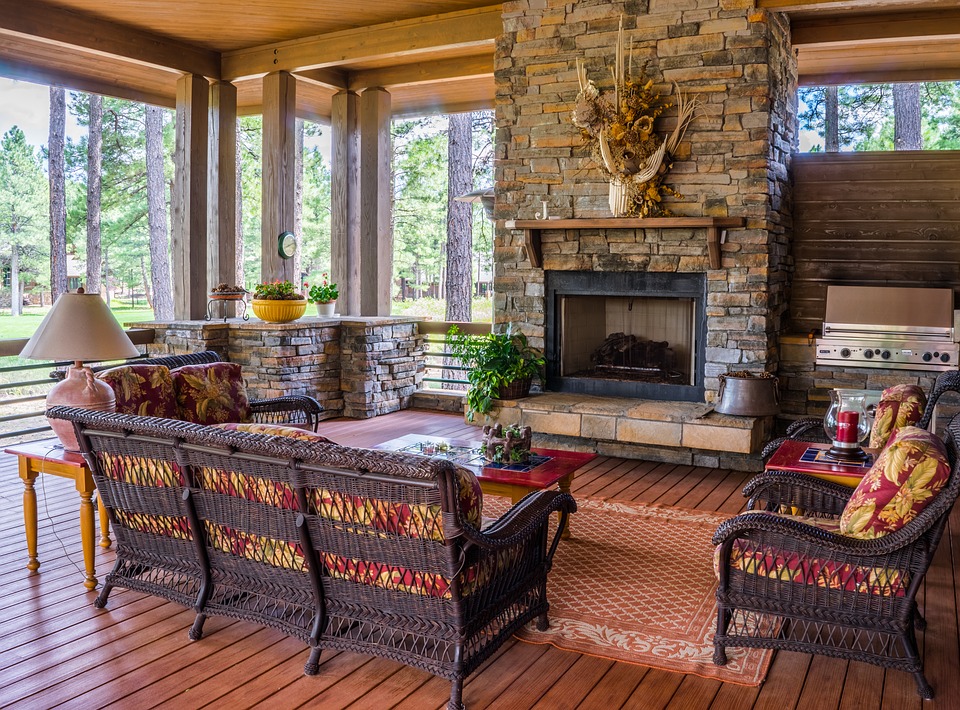
Increasingly, custom home builders are adding lounging areas to the overall floor plan. This can be anything from a sun room or screen-in porch enabling residents to enjoy the beauty of nature in comfort to a cozy hearth room or alcove for a fireplace.

Building A Custom Home: Major Perks And Benefits

One major benefit of building your custom home is that you can choose the floor layout and room sizes. For example, if you want a massive master bedroom and much smaller guest bedrooms, or an open floor plan designed around entertaining. And as part of the custom home process, you will be able to make critical decisions concerning your home’s exterior. Here you can go more economical with vinyl siding or more elaborate and unique with stone or brickwork.

custom home builders

Find out if a custom built home is right for you—>> HERE

Choosing The Right Material For Your Countertops…

Tempting as it is to choose a countertop based on looks alone, a material’s durability, maintenance and cost are also important factors to consider when making a selection for a remodel or custom built new home.

Find a good fit

Homeowners need to take into consideration the way they live before settling on a countertop surface. If you have three kids and you’re making peanut butter and jelly sandwiches on the countertops every day, you might not want to go with that white granite and lean toward the solid surface countertops.

Countertop choices

The good news is if you have your hearts set on a certain look, but the material just doesn’t match with your lifestyle, odds are there’s another material that does.

Granite, the top choice in countertops, is available in a variety of shades such as blacks, whites, greens, corals and beiges, and no two pieces are exactly the same. Granite is available in two finishes. A polished finish results in a shiny look and often darkens the appearance of the stone, while honing is soft and matte. Costs for granite depend on many variables, including color, finish and origin of the stone.

If you pick a granite that is relatively easy to get, it could be affordable. If you pick a granite that needs to be ordered or even imported that can be pretty expensive.

Other natural stone materials, like marble, limestone and soapstone, are softer than granite and require delicate use and greater care. All stone countertops must be sealed periodically.

Engineered stone countertops come in a wider variety of colors than natural stone countertops, are more durable and are easy to maintain. However, engineered stone won’t save any money or very little over granite because the two materials cost roughly the same.

Solid surface countertops have a lot of appeal. They come in countless colors, are seamless, resist stains and scratches can be buffed out. One major downfall though: Hot pans can damage solid-surface countertops.

Concrete countertops, which can be completely customized with pigments, are gaining popularity. Concrete is available in several different finishes: trowel (smooth), ground (sanded to expose the sand aggregate) and pressed (a tool is used to reveal marblelike veining). Extreme or abrupt changes in temperature may cause concrete to warp or curl, damp sponges left on the counter can cause discoloration and acidic spills may etch the surface. To keep a concrete countertop looking its best, it’s advisable to seal them up to four times per year and wax with a paste every two to three months.

Wood countertops, like butcher block, instantly warm up a kitchen. They are easy to clean and any scratches can be sanded out. Water damages butcher block quite easily though So wood countertops must be oiled frequently to seal the surface.

Laminate is the most affordable countertop material on the market and comes in an array of colors and designs. Laminate can scorch if a hot pan touches the surface though and has a reputation for scratching easily. However, the product has made strides in scratch-resistance in recent years.

On the edge

Square edges are standard on most countertops, but decorative edges like radius, bullnose, bevel, egg and ogee — while a bit more expensive — are another way to customize a kitchen. Availability of edges varies based on countertop materials.

Mix and match

Can’t decide on just one material? Then mix and match surfaces. Try using a different material on islands than the rest of the countertops to differentiate the space. Another option is to inset another material into a countertop for specific tasks. Butcher block is common for chopping as is marble for baking.

Before making a decision on countertop material, see the surface in person, whether that means visiting a showroom or viewing samples in-home.

And be sure to checkout more tips and tricks like How to choose energy efficient windows for your new home.